7 Essential Steps to Master a Trap Type Beat
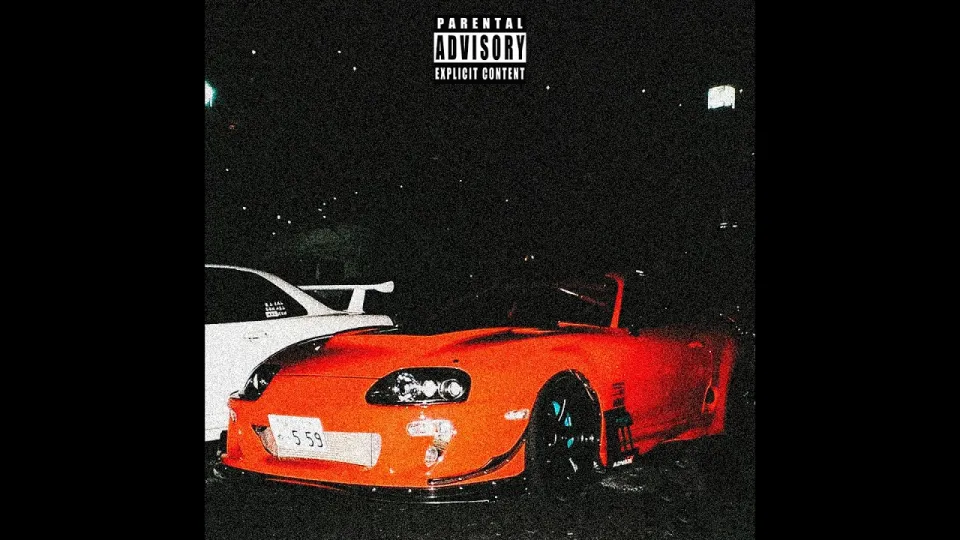
Video: [FREE] TRAP TYPE BEAT - "SLIME" | FREESTYLE BEAT | HARD TYPE BEAT | MELODIC TYPE BEAT 2026
· based on the channel thelewis
Key takeaways
- Trap type beats typically run at 126 BPM in D minor key.
- Trap beats combine melodic elements with hard-hitting percussion.
- The beat 'SLIME' by thelewis is free for non-profit use with credit.
- Licensing is required for monetization or streaming use.
- Trap beats blend freestyle, hard, and melodic styles for versatility.
Trap type beats have become a cornerstone of modern hip-hop and rap production, blending melodic hooks with hard-hitting percussion to create dynamic instrumentals. To master a trap type beat, it is essential to understand its structure, elements, and how to legally use them. For example, the free "SLIME" trap type beat by thelewis offers a great illustration of these principles, running at 126 BPM in D minor, suitable for freestyle, hard, and melodic trap styles. You can download or purchase it here: thelewis Beat Store.
Understanding the Trap Type Beat Style
Trap type beats typically feature a tempo between 120 and 130 BPM, with 126 BPM being common as in "SLIME." The key is often minor to evoke darker, moodier emotions. The beat combines 808 sub-bass, crisp hi-hats with triplet rolls, snappy snares, and melodic synth lines or piano riffs. This fusion creates a soundscape that supports both aggressive hard trap flows and more melodic rap deliveries. Recognizing these elements helps producers and artists adapt the beat to their style.
Key Components of a Trap Type Beat
A trap type beat usually consists of several core components:
- Drums: 808 kick drums for bass, rapid hi-hat patterns often using triplets, snares on the 3rd beat, and occasional claps.
- Melody: Synths, pianos, or vocal chops that provide a catchy or atmospheric hook.
- Bassline: Deep, sustained 808 bass notes that follow the beat’s root key.
- Effects: Reverb, delay, and filters to add depth and texture.
The "SLIME" beat features these elements balanced to allow freestyle rap or hard bars, making it versatile for various trap subgenres.
How to Use a Trap Type Beat for Freestyle and Recording
Freestyle rap benefits from trap type beats like "SLIME" because of their steady tempo and rhythmic patterns. To use such beats effectively:
- Tempo Matching: Practice rapping at 126 BPM to maintain flow.
- Lyric Adaptation: Match your bars to the beat’s mood—hard or melodic.
- Breath Control: Use the beat’s pauses and drops for breathing.
- Recording Setup: Use quality microphones and software to capture vocals clearly over the beat.
Following these steps ensures your freestyle or recorded track complements the trap beat’s energy.
Licensing and Legal Use of Trap Type Beats
Trap type beats like "SLIME" by thelewis are often offered free for non-commercial use, such as YouTube videos without monetization or SoundCloud uploads with credit (prod. TheLewis). However, if you want to monetize your music, upload to streaming platforms like Spotify or Apple Music, or register your work with copyright organizations (BMI, ASCAP), you must purchase an appropriate license. Exclusive licenses are required for full content ID and copyright claims. This ensures both legal protection and support for the producer.
Tips for Producing Your Own Trap Type Beat
To create a competitive trap type beat in 2026, consider these tips:
- Start with a strong melody: Use synth leads or piano riffs in a minor key.
- Craft the drum pattern: Program 808 kicks, hi-hats with triplet rolls, and snares on the third beat.
- Add bassline: Use 808 sub-bass to complement the melody.
- Mix carefully: Balance elements to keep the beat clean and punchy.
- Experiment with effects: Use reverb and delay to add atmosphere.
Consistent practice and listening to current trap instrumentals help refine your style.
Common Questions About Trap Type Beats
Many artists wonder about the flexibility and usage of trap type beats. For example, how to choose between hard and melodic styles, or how to freestyle over a beat like "SLIME." Understanding the beat’s BPM, key, and mood helps tailor your performance. Also, legal questions about free beats versus licensed beats are frequent, underscoring the importance of reading usage terms carefully.
Useful Links
- Official Beat Store for "SLIME" and other beats: https://bsta.rs/O3uzex
- thelewis BeatStars profile: https://thelewis.beatstars.com
- Instagram for updates and contact: https://www.instagram.com/thellewis
Final Thoughts
Mastering a trap type beat involves understanding its tempo, key, and core elements, as well as respecting licensing rules. The free "SLIME" beat from thelewis is an excellent resource for practicing and creating freestyle or hard and melodic trap tracks. For those serious about monetizing their music, acquiring proper licenses is crucial. Explore the links above to access quality beats and support talented producers like thelewis.
Source: [FREE] TRAP TYPE BEAT - "SLIME" | FREESTYLE BEAT | HARD TYPE BEAT | MELODIC TYPE BEAT 2026 · Markdown version
Questions & answers
What is the typical BPM and key for trap type beats like "SLIME"?
Trap type beats usually run around 126 BPM and are often in a minor key like D minor, which helps create their characteristic dark and melodic mood.
Can I use the free "SLIME" trap beat for monetized YouTube videos?
No, the free version of "SLIME" is for non-profit use only. Monetization or streaming requires purchasing a license from the producer to comply with copyright rules.
What are the main elements that define a trap type beat?
Key elements include 808 bass kicks, rapid hi-hat rolls typically in triplets, snares on the third beat, melodic synth or piano lines, and atmospheric effects like reverb.
How can I improve my freestyle rap over a trap type beat?
Practice matching your flow to the beat's tempo (e.g., 126 BPM for "SLIME"), adapt your lyrics to the beat’s mood, manage breath control using beat pauses, and record with quality equipment to capture clear vocals.